
9 Profitable Business Ventures You Can Start in Liberia in 2026
Share this article:
Reading time: 16 min read
This guide covers profitable business ideas in Liberia 2026
Liberia is emerging as one of West Africa’s promising destinations for entrepreneurship and small business growth. With increasing digital adoption, urban expansion, and economic recovery, Monrovia, Liberia offers strong opportunities for investors, startups, and side businesses in 2026. From technology and e-commerce to agriculture and mining, Liberia’s market is ripe for innovation and sustainable business development.
Where Is Monrovia, Liberia Located?

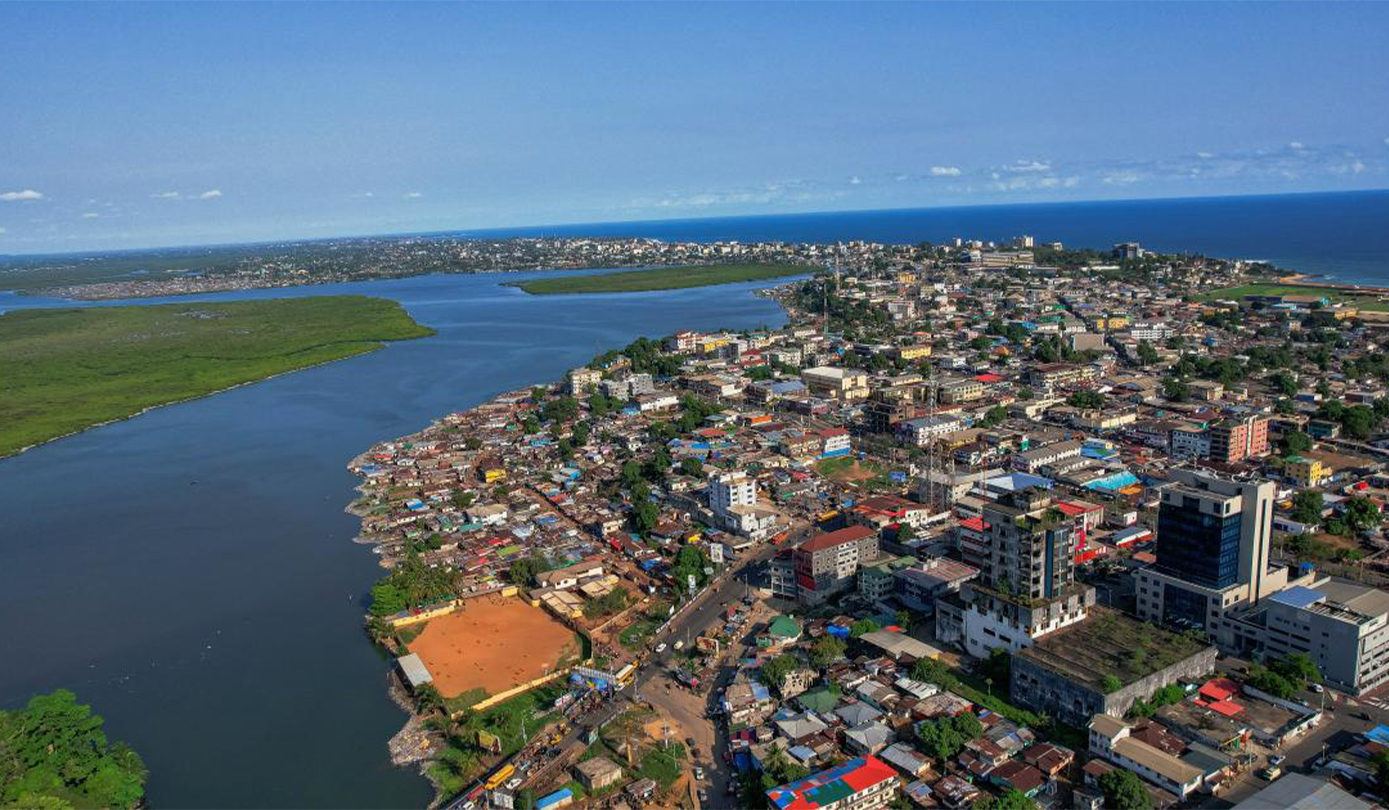
Monrovia, Liberia is located along the Atlantic coast of West Africa, making it a strategic maritime and commercial hub in the region. The country is bordered by Sierra Leone to the west, Guinea to the north, and Côte d’Ivoire to the east, positioning Liberia as a key gateway for regional trade, import and export, and logistics in West Africa. As the capital city and primary economic center, Monrovia plays a critical role in Liberia’s business environment, employment opportunities, and economic growth.
Brief History of Liberia and Monrovia
Several hundred years ago, in 1820, a group of 88 freed slaves from the United States was sent to Sierra Leone to resettle. Tragically, many of them died from malaria shortly after arriving. In response, Lieutenant Robert Stockton, a U.S. Navy officer overseeing the mission, resumed the search for a suitable settlement along the West African coast.
He coerced a local leader into selling a narrow strip of land to the American Colonization Society (ACS). Although Indigenous communities were already established in the region, the settlement created for freed slaves later became the foundation of modern-day Liberia. Monrovia, named after U.S. President James Monroe, eventually developed into the nation’s political, cultural, and economic capital.
Why Monrovia, Liberia Is Ideal for Business in 2026
Today, Monrovia stands out as a city of untapped business potential, driven by a young population, rising internet usage, urban development, and post-conflict economic resilience. Liberia’s economy continues to recover, creating growing demand for digital services, small enterprises, infrastructure, retail, logistics, and local manufacturing. Entrepreneurs looking to start a business in Liberia can benefit from relatively low startup costs, underserved markets, and increasing interest from both local and international investors.
While Liberia’s history is deep and complex, the focus now is on practical, profitable business ideas that can succeed in Monrovia today. If you’re interested in learning more about Liberia’s historical background, you can explore resources from the Office of the Historian, USA. For now, the emphasis is on identifying high-growth business ventures in Liberia for 2026 that align with market needs and future trends.
State of the Liberian Economy
The first and foremost reason for doing business is to make profit. Do not allow anyone tell you otherwise. Given that fact, you need to understand the state of the Liberian economy before venturing into any business.
According to the Cambridge English Dictionary, economy is a system of trade and industry by which the wealth of a country is made and used. You need to know the value of trade and industry in Liberia before venturing into any business because the venture you choose will be heavily affected by trade.
On that note, let’s look at the indicators that measure the size, and growth of the Liberian economy over time.
Gross Domestic Product (GDP) In Liberia: The GDP is the total monetary value of goods and services produced in a country over a one-year period. Domestically, Liberia’s real GDP was projected to grow by 5.6 percent in 2025, up from 4.8 percent in 2024, according to the Central Bank of Liberia. A strong real GDP can bring about business expansion, increased demand and sales, job creations and increased investment amongst others. According to the International Monetary Fund (IMF), Real GDP (Constant Prices) is estimated at approximately $4 billion.
Gross National Product (GNP) In Liberia: Measures the total value of goods and services produced by a country's residents and businesses, regardless of where they are in the world. As of 2025, GNP for Liberia is projected at approximately $4.8 billion to $5.2 billion based on current economic trends and IMF/World Bank projections.
Inflation Rate In Liberia: The inflation rate measures the general prices of goods and services over time. It is often tracked using the Consumer Price Index (CPI). High inflation is a top concern for small businesses. It drives the costs for raw materials, labor, and utilities. If businesses cannot raise their prices to match these costs, their profit margins shrink. According to the Liberia Institute of Statistics and Geo Information Services (LIGIS), as of December 2025, Liberia's current annual headline inflation rate is 4.8%.
Purchasing Power Parity (PPP) In Liberia: PPP is a theory used to compare the absolute buying power of different currencies by looking at the price of a "basket of goods" in each country. Liberia's Purchasing Power Parity (PPP) relative to other African economies indicates that it is a low-income country with a lower GDP per capita (PPP) compared to most of the continent, though slightly higher than some countries in similar economic situations.
What Secret Does the State of the Economy Reveal?
The current state of the Liberian economy reveals important insights for entrepreneurs and investors planning to start a business in Liberia. Rising Gross Domestic Product (GDP) and steady Gross National Product (GNP) growth indicate that economic activity is expanding and new opportunities are emerging across multiple sectors. This upward trend suggests increasing demand for goods and services, making it a favorable time to enter the Liberian market. Additionally, the strong influence of the Liberian diaspora, reflected in GNP growth through remittances and external income, creates valuable opportunities for investment partnerships, funding, and access to international markets.
At the same time, key indicators such as inflation and Purchasing Power Parity (PPP) highlight important economic realities that business owners must consider. Although Liberia’s inflation rate remains relatively moderate at about 4.8%, the country is still classified as a low-income economy, and most consumers are highly price sensitive.
This means that businesses must focus on cost control, competitive pricing, and value-driven products or services. Entrepreneurs who understand local spending power, keep operations efficient, and design affordable solutions are more likely to succeed. Overall, the state of the Liberian economy reveals a powerful secret: Liberia is a promising place to start a business, but success depends on aligning growth opportunities with the financial realities of the local market.
The Business Climate and Regulations
The government is actively reforming its regulatory framework to be more investor friendly. Under the Investment Act, foreign entities are permitted to establish Limited Liability Companies (LLCs), joint ventures, or local branches of foreign firms. While the 2019 "Ease of Doing Business" rank was 175 out of 190, the government is currently addressing these bottlenecks to attract more foreign direct investment (FDI).
Liberia’s taxation framework includes a corporate income tax rate of 25% for most businesses, while mining and petroleum companies face a higher rate of 30%. The country is also preparing to shift from the current Goods and Services Tax (GST) to a Value Added Tax (VAT) system at a proposed rate of 18%, scheduled to take effect in January 2026. Additionally, the Investment Act provides various incentives such as tax holidays and duty-free exemptions aimed at encouraging investment in key sectors and reducing the initial financial burden on qualifying businesses. Visit the Liberia Revenue Authority website
Opportunities for Large-Scale Investment
Liberia’s core wealth lies in its natural endowment. Investors focusing on resource extraction and large-scale production find the most lucrative opportunities in the following areas:
The Mining Sector in Liberia

Mining is one of the cornerstones of the Liberian economy. The country has a huge deposit for iron ore and gold, diamond too. Just to note, diamond mining is predominantly characterized by widespread artisanal and alluvial mining with huge deposits in the western and central regions; for example, Lofa, Nimba and other locations with potentials for larger kimberlite mines.
Right now, there are precisely five large-scale mining companies in Liberia. They include Bio Chico, China Union, Western Cluster, Arcelor Mital and Bea Mountain. The nation is exceptionally rich in iron ore, gold, diamonds, and bauxite. The Ministry of Mines and Energy in Liberia regulates this sector, issuing licenses for exploration and extraction.
There is a significant push for "value addition," moving beyond simple extraction to local processing. Value addition is a very significant economic activity for economic growth. Therefore, the government of Liberia will support any initiative in the mining value chain.
Agriculture and Agro-Processing in Liberia
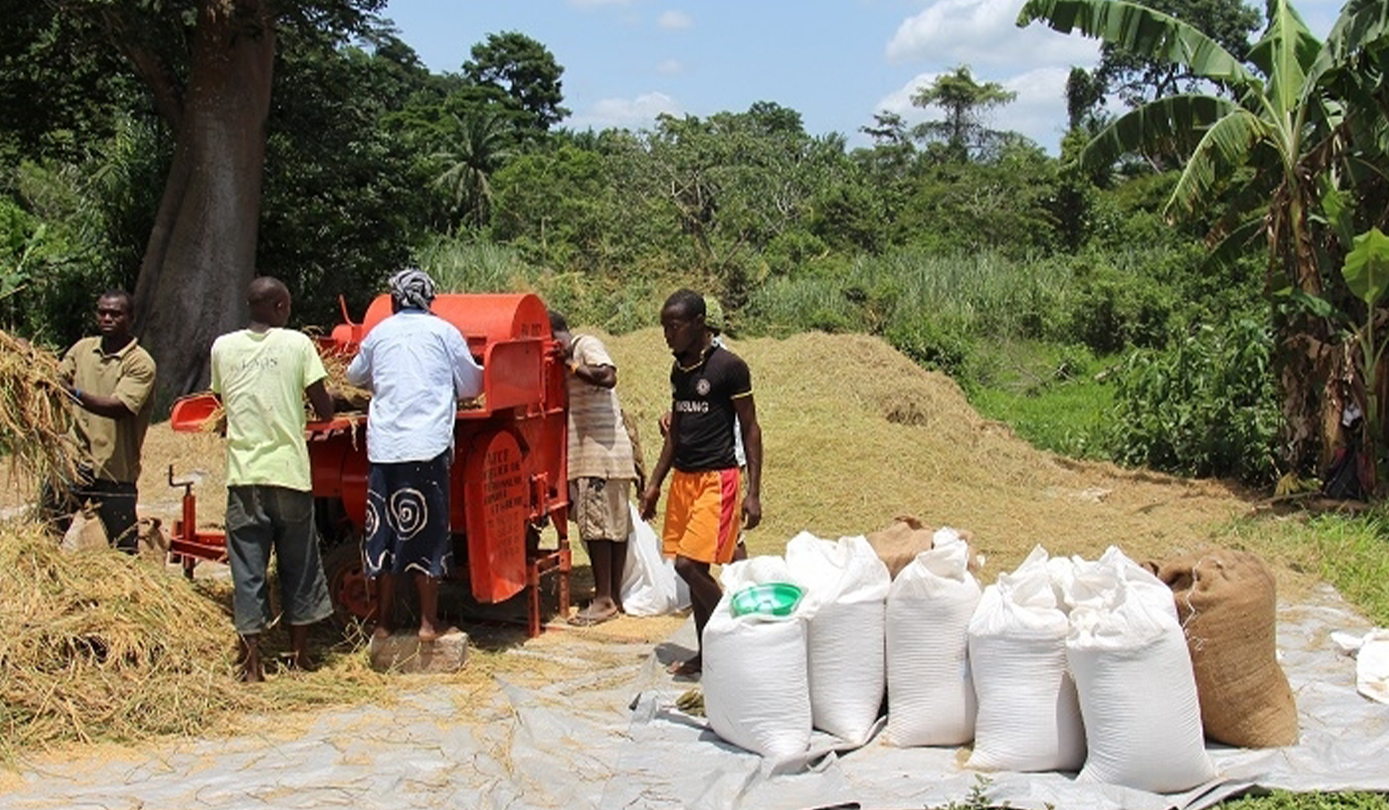
With a favorable climate and fertile soil, agriculture remains a primary livelihood for the population of Liberia and with a very significant for investment potential. There is so much money to make in this sector and as a matter of fact, agriculture is the first and leading pillar of the President of Liberia, Joseph Nyuma Boakai, Sr.’s ARREST agenda.
Based on the interest of the current administration in developing agricultural infrastructures, any significant investment in the sector will be fully supported and engaged by the government of Liberia. Beyond local sustenance, there is immense potential in cash crops such as rubber, oil palm, cocoa, and coffee.
The gap in this market lies in processing, turning raw materials into finished products. The opportunities in the agriculture sector offers higher revenue potential than exporting raw materials alone.
Forestry and Sustainable Timber in Liberia
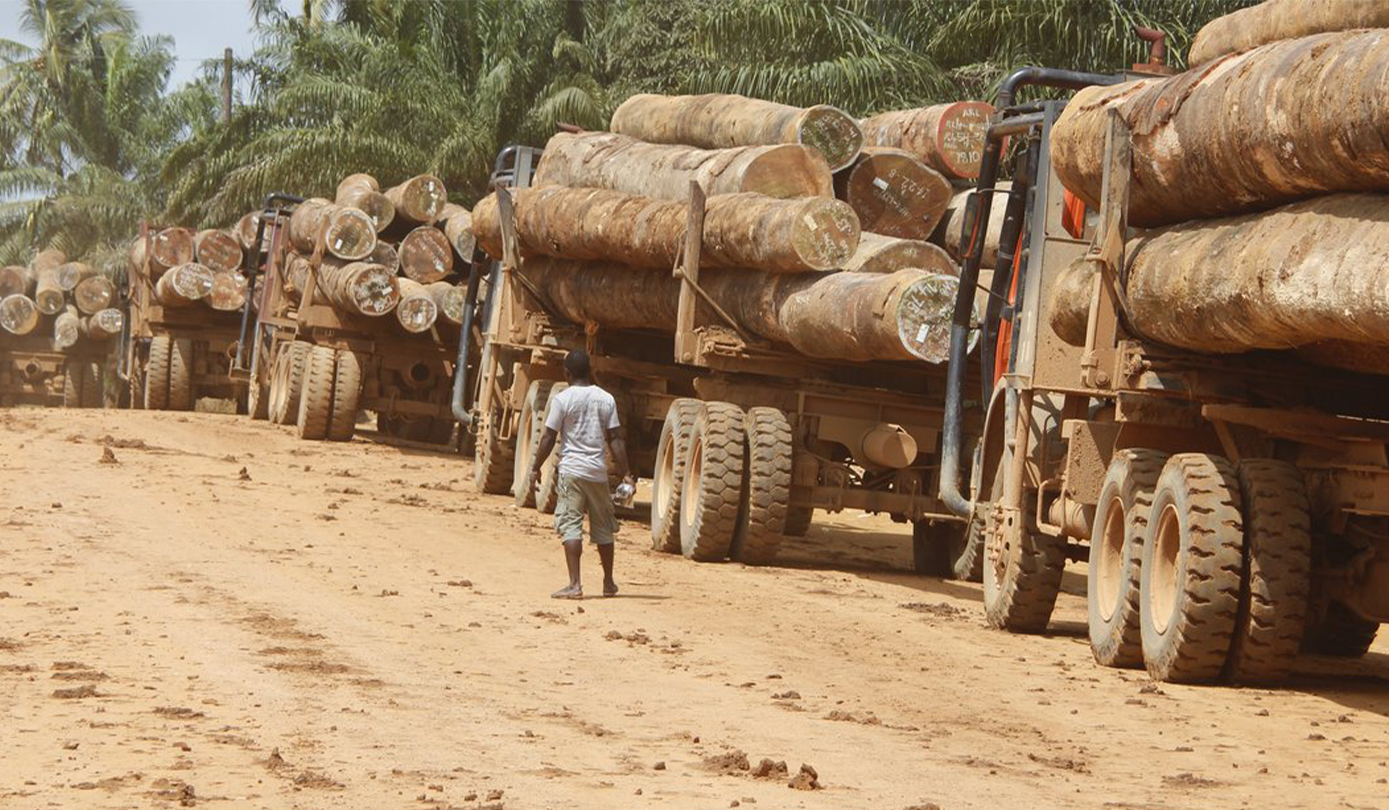
Over the years, the logs from Liberia have been exported. Though exporting brings in a good revenue to the country; value addition is still very curial for economic growth. Liberia is the home of vast rainforests. It is a crucial part of the Upper Guinea Forest, a global biodiversity hotspot holding half of West Africa’s remaining rainforest.
The government encourages sustainable forestry practices and the manufacturing of wood products like furniture and building materials, rather than just the export of round logs. Visit the Forestry Development Authority website.
Fisheries and Marine Resources in Liberia
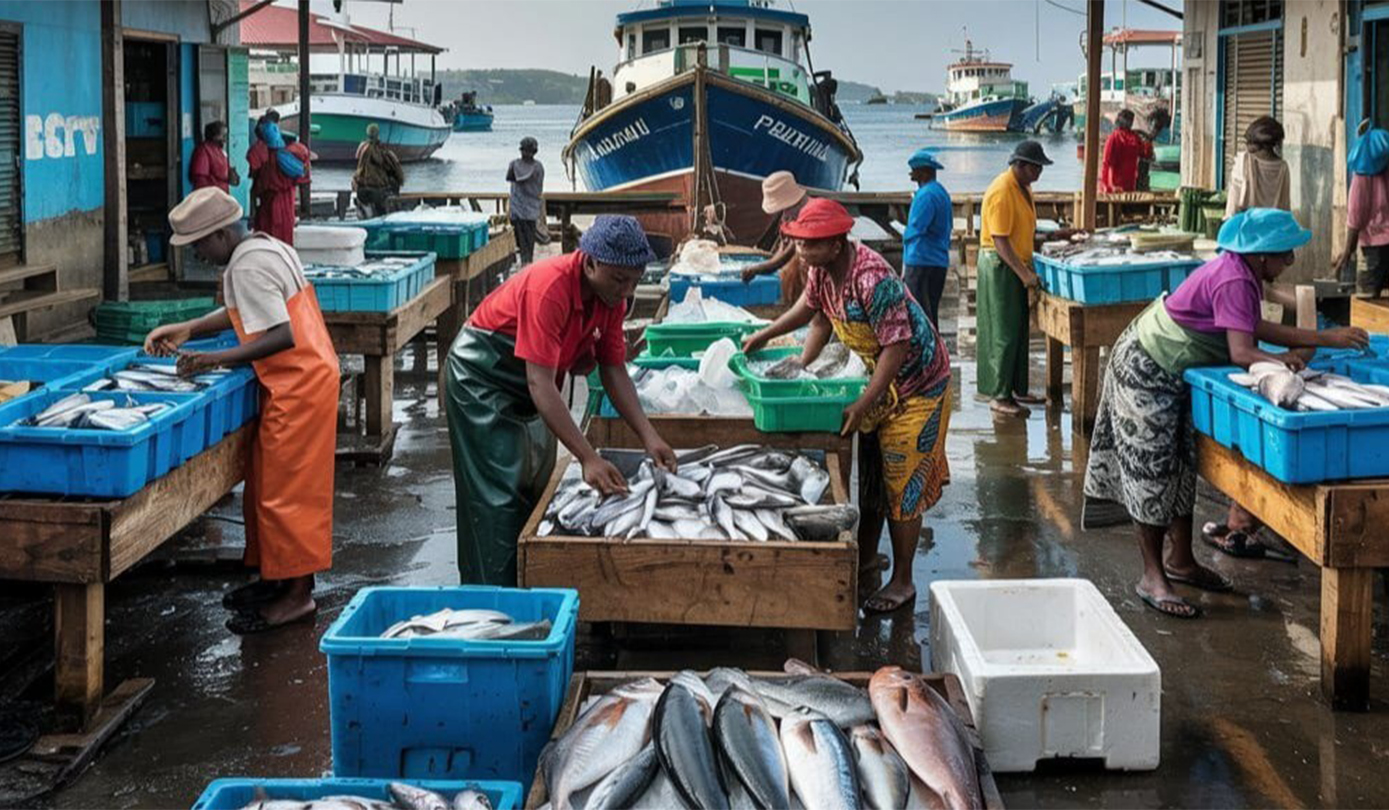
Liberia’s 570-kilometer Atlantic coastline supports abundant and diverse marine resources, including high-value pelagic and demersal species, shrimp, and other commercially important seafood, according to the Liberia’s National Fisheries & Aquaculture Authority (NaFAA).
While capture fisheries remain an important activity, the sector is undercapitalized and characterized by significant post-harvest losses. This presents a compelling investment opportunity to modernize and expand fisheries-related infrastructure and operations, particularly in areas that enhance efficiency, quality, and market access rather than focusing solely on increased fishing effort.
The strongest returns are expected in downstream value-addition, including seafood processing, hygienic packaging, cold storage, ice production, and temperature-controlled logistics. Investments in these areas can unlock access to domestic urban markets, the wider ECOWAS region, and export destinations that require compliance with international food safety standards. This is a major opportunity to tap into the Fishery sector in Liberia.
Tourism and Hospitality in Liberia

Liberia’s tourism sector remains nascent but holds significant untapped potential, anchored by pristine Atlantic beaches, unspoiled rainforests, national parks, and historically significant sites linked to West African and African American heritage. Despite these assets, tourism infrastructure is limited, with a shortage of quality accommodation, organized tour products, and destination services. The recent establishment of a dedicated national tourism authority and renewed government focus on tourism policy signal a commitment to sector development, creating a timely entry point for private investment.
Strategic investments in eco-lodges, boutique hotels, and professionally managed cultural and nature-based tour operations can position Liberia as a differentiated destination within the West African market. These offerings can serve both leisure travelers seeking authentic, low-impact experiences and the growing number of business, diplomatic, and development-sector visitors who require higher-quality hospitality options.
By developing sustainable, locally integrated tourism products, investors can capture first-mover advantages, generate employment, and align with national priorities to diversify the economy while preserving Liberia’s natural and cultural heritage. These are huge opportunity for anyone looking into investing in tourism in Liberia.
Education and Vocational Training in Liberia
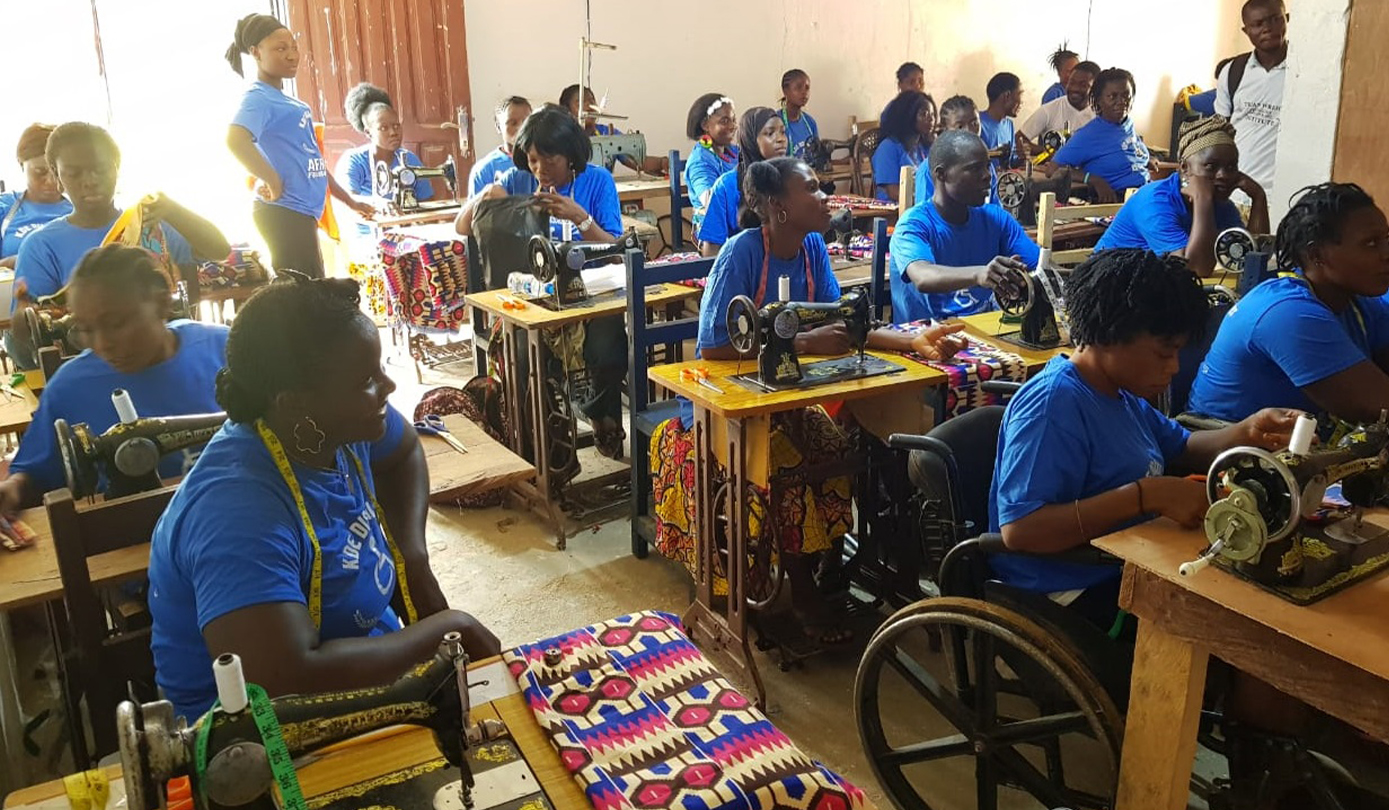
There is a strong and growing demand in Liberia for technical skills that directly improve employability, especially as the economy expands and more sectors modernize. Foundational computer literacy is increasingly essential, not only for office work but also for small business operations, digital marketing, and access to online services. Skilled trades such as plumbing and carpentry remain in high demand due to ongoing construction, infrastructure projects, and housing needs across the country.
Tailoring also continues to be a valuable skill, as it supports both local fashion businesses and everyday clothing needs in communities. Collectively, these technical skills provide practical pathways to employment, entrepreneurship, and self-reliance, making them some of the most impactful areas for skills training in Liberia.
Transportation Solutions in Liberia
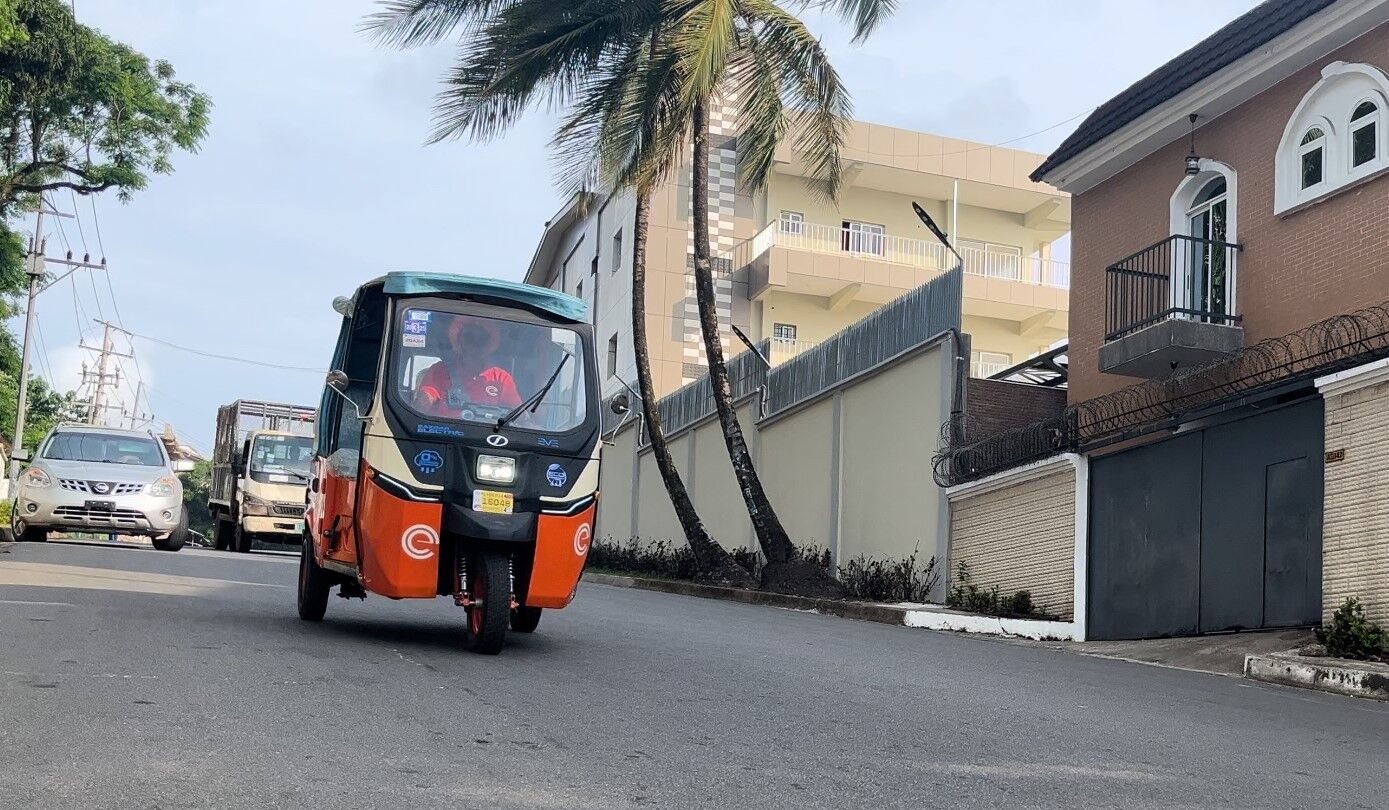
Transportation remains one of Liberia’s most persistent challenges, presenting significant opportunities for practical and innovative business solutions. In urban areas, motorcycle taxis and shuttle services continue to play a crucial role in helping commuters navigate congested roads and limited public transport options. These services offer fast, flexible, and affordable mobility for workers, students, and traders.
In rural regions, reliable logistics networks are essential for connecting small-scale farmers to city markets, reducing post-harvest losses and improving farmers’ incomes by ensuring their produce reaches buyers on time.
Additionally, the growing need for convenience in both cities and towns has created strong demand for delivery services, including food delivery, parcel delivery, and last-mile distribution for small shops, which can greatly improve access to goods and support businesses that lack transportation capacity.
Remote Work and Freelancing for International Markets in Liberia
Remote work and freelancing present a high-impact opportunity for Liberians to access international labor markets without the constraints of physical location or heavy capital investment. With reliable internet access and market-relevant skills, Liberians can deliver services such as content writing, graphic design, software development, virtual assistance, and digital marketing to global clients.
International freelancing platforms including Upwork, Freelancer, and Fiverr provide ready-made marketplaces that connect local talent to overseas demand, enabling earnings in foreign currency while offering flexible work arrangements and minimal startup costs.
This opportunity can be further strengthened by building local support ecosystems that provide skills training, digital infrastructure, and business services. Liberia’s emerging digital services sector—exemplified by companies such as GoDigital Inc., which delivers digital marketing, web development, and business technology solutions, demonstrates that internationally competitive, tech-driven services can be developed and scaled locally.
By formalizing and expanding remote work initiatives, Liberia can grow a sustainable digital workforce, reduce unemployment, increase foreign exchange inflows, and position itself as a competitive service provider in the global digital economy. Are you ready to strengthen local supper ecosystems to help Liberian talents meets global demand? Reach out!
E-commerce: Connecting Liberian Products to Global Buyers
E-commerce presents a scalable and capital-efficient business venture that can connect Liberian producers directly to global consumers. By aggregating and curating locally made products such as handicrafts, traditional textiles, artwork, fashion accessories, and cultural items, entrepreneurs can build export-oriented online brands that tap into growing international demand for authentic, handmade, and ethically sourced goods.
Using established platforms such as Shopify and WooCommerce, businesses can quickly launch branded online stores, while global marketplaces like Etsy provide immediate access to customers actively seeking artisanal products. This venture can be strengthened through partnerships with local digital service providers such as GoDigital Inc. and similar Liberian firms that support website development, online payment integration, logistics coordination, and digital marketing.
By combining local production with professional e-commerce management, the model reduces barriers for artisans, creates new income streams, and positions Liberia within the global creative economy.
Practical Steps for Market Entry in Liberia
Success in Liberia requires more than just capital; it requires due diligence and local expertise. You need to carefully consider the following steps for start a business in Liberia.
1. Market Assessment and Feasibility
Begin with a basic market study to understand demand, competition, pricing, consumer behavior, and regulatory constraints. This includes identifying target customers (public vs. private, local vs. export), supply-chain gaps, and infrastructure considerations such as power, logistics, and payments.
2. Registration and Compliance
Starting a business involves registering with the relevant authorities and obtaining sector-specific licenses. For those unfamiliar with the legal landscape, consulting with experts or legal counsel is highly recommended to ensure all regulations are met. Visit the Liberia Business Registry website.
3. Tax Registration and Compliance
Register with the Liberia Revenue Authority (LRA) for tax identification, including income tax, goods and services tax (GST), and employee-related taxes where applicable. Understanding tax obligations early helps avoid compliance issues and informs pricing and cash-flow planning.
4. Sector-Specific Licensing and Permits
You need to obtain approvals from relevant sector regulators depending on the business activity (e.g., fisheries, tourism, telecommunications, mining, health, or financial services). Many sectors require operational licenses, environmental permits, or quality certifications before commencing operations.
5. Investment Approval (if Applicable)
Larger investments or foreign direct investments needs to engage with the National Investment Commission (NIC) to access incentives, investment guarantees, or special concessions. This step is optional but beneficial for projects involving significant capital or job creation.
6. Managing Costs
Managing operational costs is essential for entrepreneurs in Liberia, where expenses can quickly affect profitability if not carefully controlled. Infrastructure-related costs such as rent and utilities often take up a significant portion of a business’s budget, especially since electricity can be expensive and unreliable in many areas. Labor costs must also be considered, including not just salaries but the time and resources required to hire and properly train staff to deliver quality services.
Conclusion
Liberia is a nation of immense potential and rich natural endowment. As the country continues its journey of reconstruction, the demand for goods, services, and infrastructure will only increase. Whether through large-scale mining operations or small-scale digital freelancing, the opportunities for growth are significant for those willing to navigate the complexities of this frontier market. The transition to a more digital, diversified, and sustainable economy is already underway. By identifying market gaps, following regulatory guidelines, and focusing on quality, entrepreneurs can achieve substantial returns while contributing to the overall development and prosperity of the Liberian people.
Until we meet again, cheers to your success in whatever you want to achieve!
Share this article:
Join the family
Related Articles

Mastering Content Marketing: Your Guide to Building an Audience
Building a Sustainable Business: More Than Just a Trend

Learn How to Invest or Remain Poor!

The “rich man poor man analogy of website”— The art of developing authoritative websites